Asking prices, this cohort
Market trends
Census ProRS e-tron GT Performance
Battery & range
Chemistry
NCM
NCM — Nickel manganese cobalt
- High energy density — good range for the weight
- Holds range better than LFP in the cold
- Strong all-round power delivery
- Wears faster than LFP over many charge cycles
- Best kept to ~80–90% for daily charging
- Contains cobalt (higher cost, sourcing concerns)
General traits of this battery family, not a measurement of this car
Dealer description
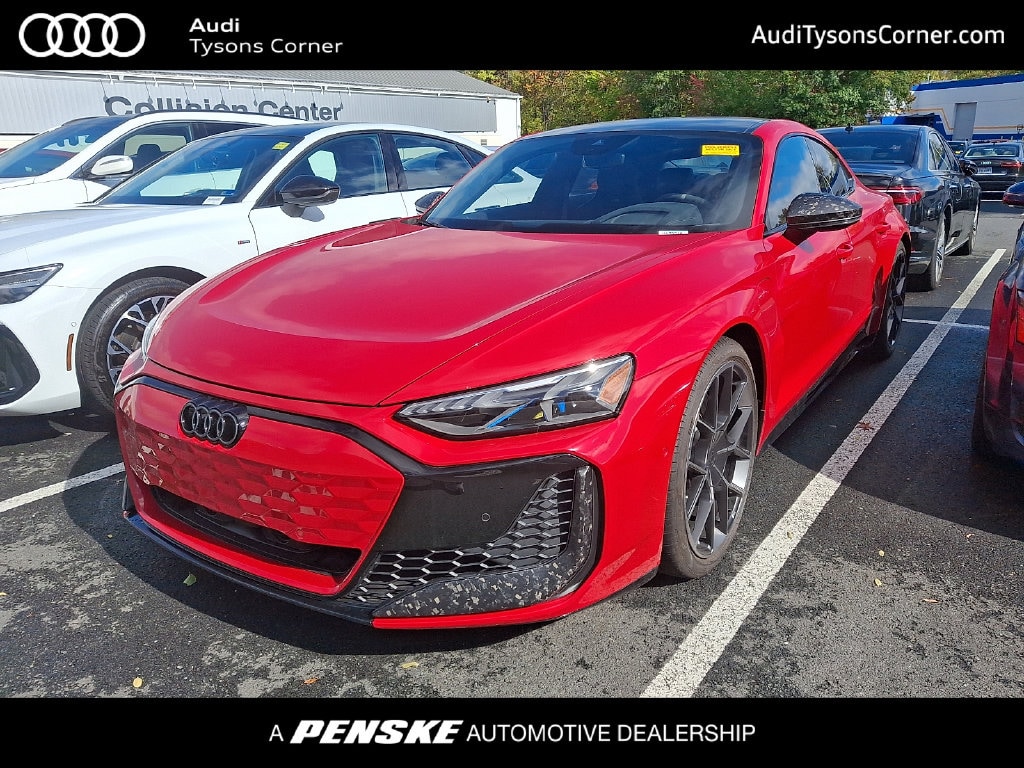
2025 Audi RS e-tron GT performance quattro Clean CARFAX 85/82 City/Highway MPG Forged carbon package 21" 6-double-spoke RS design wheels, dark finish Dark carbon matte roof panel Forged carbon door sill inlays, illuminated, with RS logo Forged carbon exterior trim and mirror housings Forged carbon interior inlays RS design package - Gray Dinamica door panels, steering wheel, and center console Fine Nappa leather/Dinamica seats with gray stitching Gray seatbelts Steering wheel with gray 12 o'clock marker Panoramic glass roof with variable light control
Questions for the seller (2)
- Battery health report The seller can pull one from the car; it's the only real degradation data, and nothing remote can measure it.
- Build date (door-jamb sticker) and original in-service date Settles mid-year running changes; the in-service date, not the model year, starts the warranty clock.