 1 / 5
Recently sold
10 sales, $23,500–$30,546
- 2024RS22,469 mi$29,404Jul 2026
- 2024RS19,895 mi$30,546Jun 2026
- 2024RS19,361 mi$29,500Jun 2026
- 2024RS32,464 mi$28,880Jun 2026
- 2024RS27,003 mi$27,963May 2026
- 2024RS20,830 mi$27,995May 2026
- 2024RS20,061 mi$28,995May 2026
- 2024RS26,179 mi$29,022May 2026
- 2024RS41,285 mi$23,500Mar 2026
- 2024RS36,039 mi$24,996Mar 2026
Market trends
Census ProBlazer EV RS
Battery & range
- High energy density — long range for the weight
- Added aluminum improves stability and lifespan over NMC
- Uses less cobalt than older nickel chemistries
- Best kept to ~80–90% for daily charging
- More heat-sensitive than LFP
- Newer chemistry, so less long-term field history
Dealer description
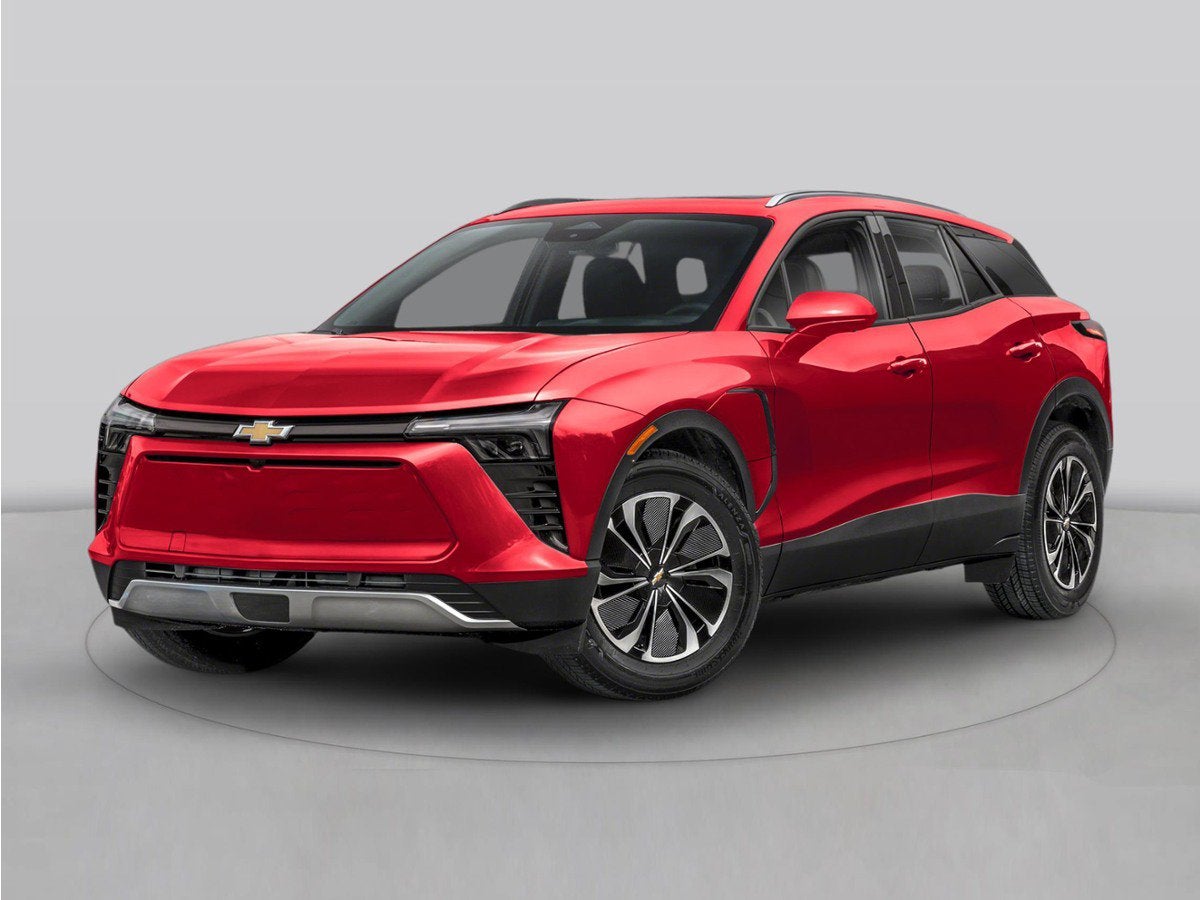
This 2024 Chevrolet Blazer EV RS is a striking black SUV powered by dual electric motors and all-wheel drive. With its sharp Black exterior and Black/Adrenaline Red interior, this one-owner vehicle delivers a premium driving experience backed by full factory bumper-to-bumper warranty. At EPA-estimated 103 city / 88 highway MPGe, this RS combines efficiency with performance—actual mileage may vary. Originally priced at $54,595.00, you save tens of thousands compared to new. - Android Auto and Apple CarPlay connectivity - One-owner Carfax history - Heated and ventilated leather seats with power adjusters - Advanced driver-assistance features including blind spot monitor and lane assist - Navigation system with 17.7 diagonal LCD display - Heated steering wheel and adaptive cruise control - All-wheel drive with dual electric motors - Backup camera with rear surround vision - Heated front and rear seats - Power liftgate with memory settings This well-equipped RS delivers premium comfort and technology at a significant savings from original retail. The comprehensive factory warranty provides peace of mind on this low-mileage electric SUV. Schedule your appointment today to experience this exceptional value firsthand.
Questions for the seller (2)
- Battery health report The seller can pull one from the car; it's the only real degradation data, and nothing remote can measure it.
- Build date (door-jamb sticker) and original in-service date Settles mid-year running changes; the in-service date, not the model year, starts the warranty clock.